
Embrace Nostalgia: A Guide to Stunning Retro Appliances for Your Home
Understanding Retro Appliances
Definition of Retro Appliances
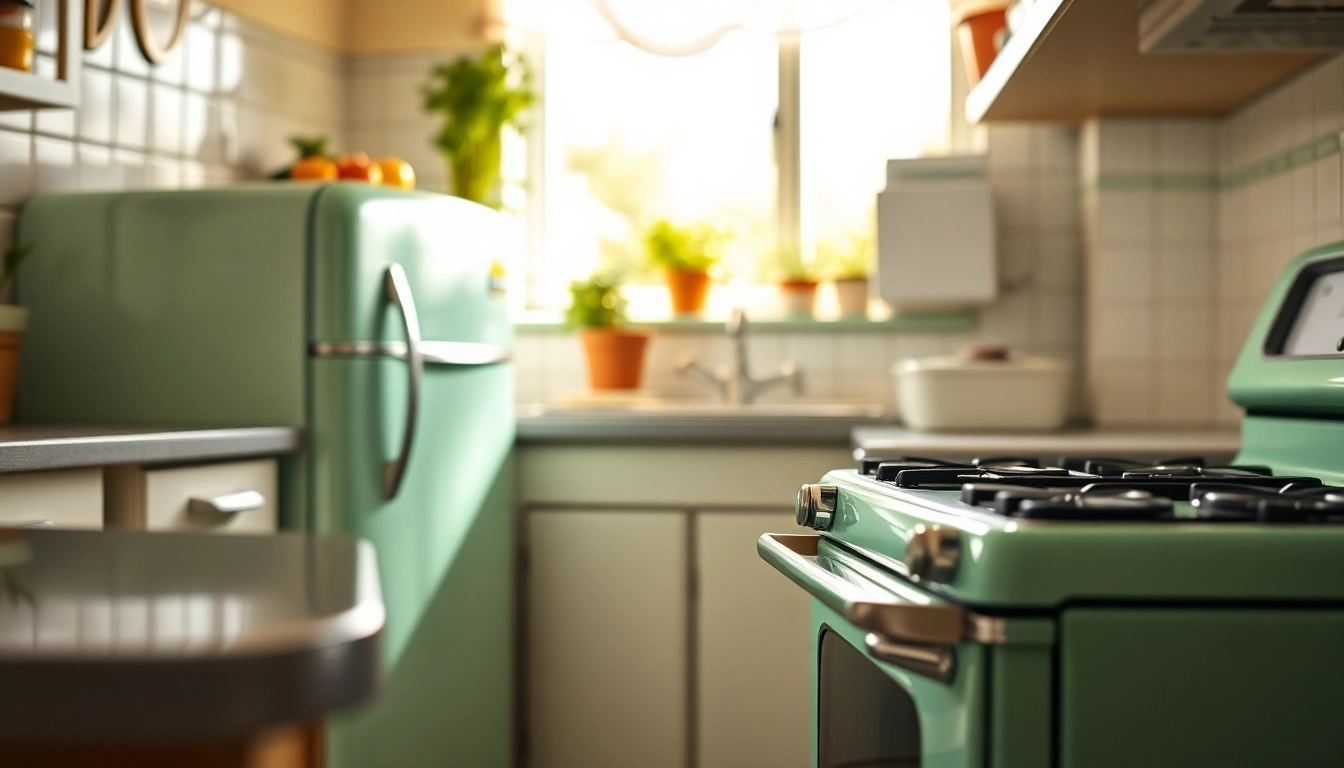
Retro appliances are kitchen and household devices that blend modern efficiency with classic design elements reminiscent of the mid-20th century, typically from the 1950s through the 1970s. These appliances evoke nostalgia and charm, often showcasing vibrant colors and rounded shapes while incorporating the technology needed for contemporary living. The integration of nostalgic aesthetics with efficient operation makes retro appliances a popular choice among homeowners looking to create a stylish yet functional living space.
History and Evolution
The concept of retro appliances can be traced back to the post-war boom in the United States, where economic prosperity allowed for innovation in home appliance design. Appliances during this time were characterized by bright colors, chrome accents, and playful shapes. The iconic designs of brands became synonymous with domestic bliss and modern living. However, as contemporary tastes evolved, these classic designs fell out of favor, leading to the sleek, minimalist aesthetic predominant in modern design. In recent years, a resurgence of interest in retro styles has reintroduced these charming designs to consumers, merging them with energy-efficient and smart technologies that meet today’s needs.
Current Trends in Retro Appliances
As consumers increasingly prioritize both aesthetics and functionality, current trends in retro appliances reflect a blend of past styles with present-day advancements. Designs are becoming even more versatile, offering customizable colors and features that allow homeowners to express their individuality. Smart retro appliances now include energy-efficient options and IoT connectivity, allowing users to integrate their nostalgic choices seamlessly into modern homes. The focus on sustainability and energy conservation is also becoming a significant driver in the retro appliance market, as consumers seek products that combine a sense of nostalgia with responsible consumption.
Advantages of Retro Appliances
Design Aesthetics
The primary appeal of retro appliances lies in their distinctive aesthetics. They offer a nostalgic appearance that can brighten any kitchen or living space. Round edges, classic color palettes like mint green, soft yellow, and powder blue contribute to a whimsical visual appeal that draws attention. The character-infused designs provide a pleasant contrast to stark, modern appliances, becoming focal points in interior decoration. This unique style can enhance either vintage-themed or contemporary settings, allowing homeowners to create visually appealing interiors that resonate with personal style.
Modern Technology in a Vintage Look
Contrary to the perception that retro appliances lack modern advancements, many models incorporate the latest technologies while maintaining their vintage appearance. For instance, energy-efficient motors, digital controls, and smart technology compatibility are becoming commonplace. For homeowners, this combination means enjoying the nostalgic vibe without sacrificing modern conveniences. Such appliances often include features like temperature control, steam functions, and advanced refrigeration technologies, catering to diverse cooking needs and preferences.
Durability and Quality
Quality craftsmanship is another critical advantage of retro appliances. Many models are constructed with durable materials such as stainless steel and robust plastics, ensuring longevity and resilience. The nostalgic weight and structure of these appliances also suggest a time when products were designed to last. This focus on quality not only enhances functionality but also ensures that retro appliances serve as reliable investments for the long term, often outlasting their more modern counterparts.
Choosing the Right Retro Appliances for Your Kitchen
Key Features to Consider
When selecting retro appliances, consider key features that align with your specific culinary needs and lifestyle. Energy efficiency should be prioritized, as many models now bear Energy Star certification, indicating lower energy consumption and reduced utility bills. Additionally, assess the capacity and dimensions of appliances to ensure they fit seamlessly within your kitchen layout. Features such as programmable settings, adjustable shelves, and user-friendly interfaces can also significantly enhance the usability of your retro appliances, ensuring they cater to modern household dynamics.
Color and Style Options
Color and style variations in retro appliances are vast, allowing personalization for various tastes and kitchen themes. From pastel hues to bold primary colors, the appliance color palette enables homeowners to coordinate with cabinetry, countertops, and décor. Furthermore, consider the appliance finish, which may include glossy, matte, or textured options that add depth to the overall aesthetic. Matching or contrasting colors with kitchen themes can create a visually cohesive environment that reflects individual style.
Space Planning and Layout
Effective space planning is paramount when integrating retro appliances into your kitchen. Measure available areas meticulously to ensure that selected appliances fit within the designated spaces without overpowering or crowding other elements. Additionally, consider the workflow in your kitchen layout, ensuring the placement of appliances facilitates ease of movement and functionality. For smaller kitchens, compact models or multi-functional appliances can maximize utility without sacrificing style.
Maintaining Your Retro Appliances
Cleansing and Care Techniques
Regular maintenance is essential to keep retro appliances looking and functioning their best. Start by cleaning surfaces with non-abrasive cleaners that won’t damage finishes. Establish a routine for deep cleaning, including removing crumbs from crevices, descaling coffee makers, and keeping stovetops spotless. For metallic surfaces, specialized polishes can restore shine while also protecting against scratches. Following the manufacturer’s care guidelines ensures longevity while preserving the appliance’s aesthetic appeal.
Common Issues and Solutions
While retro appliances are designed for durability, they may encounter common issues over time. Below are some typical challenges and suggested solutions:
- Coolant Leaks: Inspect seals regularly for wear and replace as needed to prevent leaks.
- Temperature Fluctuations: Ensure vents are clean and unobstructed; defrost freezers periodically.
- Noisy Operation: Check for loose components and tighten screws; clean the condenser coils.
Addressing these issues promptly can enhance the longevity and performance of your retro appliances, ensuring their functionality for years to come.
When to Seek Professional Help
While many minor repairs can be conducted by homeowners, there are times when professional assistance is needed. If problems persist despite basic troubleshooting, if you encounter electrical issues, or if your appliance requires parts that are hard to find, it’s best to consult a qualified technician. Repairs made by professionals can extend the life of retro appliances, ensuring they remain functional and stylish components of your home for the long term.
FAQs about Retro Appliances
What are retro appliances?
Retro appliances are kitchen devices designed to evoke nostalgia, featuring styles and colors reminiscent of the mid-20th century while incorporating modern technology.
Do retro appliances come with modern technology?
Yes, many retro appliances integrate modern features, such as energy-efficient motors and smart technology, while maintaining vintage aesthetics.
Are retro appliances energy-efficient?
Many contemporary retro appliances bear Energy Star ratings, indicating lower energy expenditure and environmentally friendly operation.
Where can I buy retro appliances?
Retro appliances are available through various home appliance retailers, online marketplaces, and specialty stores focused on vintage designs.
How do I maintain my retro appliances?
Regular cleaning with non-abrasive products, periodic deep cleans, and following manufacturer care instructions will help ensure longevity and performance.