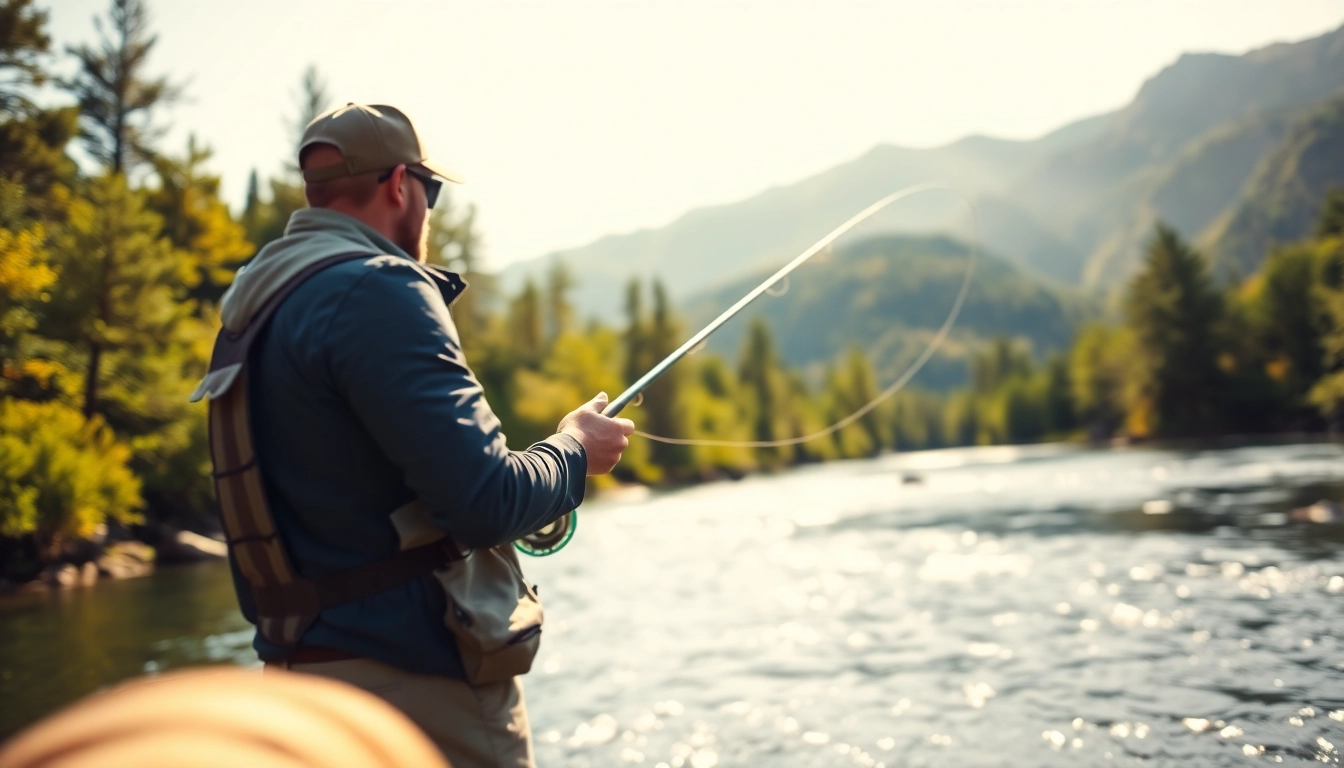
Mastering Fly Tying: Techniques, Tips, and Essential Tools for Success

Understanding the Basics of Fly Tying
Introduction to Fly Tying Techniques
Fly tying is the art of creating artificial flies for the purpose of attracting fish during angling. It serves as both a craft and a scientific endeavor, requiring a comprehensive understanding of fish behavior, aquatic insects, and the materials involved. Techniques vary widely and can range from simple to complex, highlighted by creativity and adaptation. By mastering fly tying, you can produce your own flies tailored specifically to local fish species and environmental conditions.
Essential Tools for Beginners
To embark on your fly tying journey, it’s crucial to start with the right tools. Here’s a list of some essential tools every newcomer should consider:
- Vise: A device that holds the hook in place while you work.
- Scissors: Sharp scissors are necessary for trimming materials.
- Bobbin: Holds thread to allow easy and controlled application.
- Bodkin: A needle-like tool for applying head cement and separating materials.
- Hackle Pliers: Helps in securing feathers in place.
- Whip Finish Tool: Essential for finishing knots securely.
Common Materials Used in Fly Tying
Choosing the right materials is crucial in the craft of fly tying. Common materials include:
- Thread: Typically made of nylon or polyester for durability.
- Feathers: Used for tails, wings, and bodies; popular choices include rooster hackles and marabou.
- Fur: Natural furs (like rabbit) provide lifelike movement in the water.
- Beads: Used to weigh the fly, aiding in sinking.
- Foam: Useful for creating buoyant flies.
Choosing the Right Fly Patterns
Popular Fly Tying Patterns Explained
Once you’ve mastered the basics, exploring different fly patterns is essential. Some of the most popular patterns include:
- Dry Flies: Imitates insects on the surface.
- Nymphs: Suggests immature aquatic insects below the surface.
- Streamers: Embodies baitfish, making it perfect for predatory species.
- Wet Flies: Submerged flies that imitate insects at various stages.
Matching Flies to Local Species
Understanding local fish species is crucial in selecting the right fly. For example, trout may prefer nymphs and dry flies during hatching cycles. Research local waterways and consult local experts or fishing reports to determine what flies work best for specific species in your area.
Seasonal Trends in Fly Selection
The effectiveness of fly patterns can change with the seasons. During spring, insects hatch, and anglers might find success with dry flies. In contrast, summer often sees better action with streamers as fish become more active and aggressive. Adapting to these seasonal trends can dramatically improve your success rates.
Advanced Fly Tying Techniques
Incorporating Unique Materials
To truly stand out, innovative tiers often explore unique materials such as synthetics or unconventional natural elements. These materials can add distinct movement and visual appeal to your flies, helping them catch the attention of fish when common patterns might falter.
Creating Custom Fly Designs
Custom designs allow for personalization based on specific conditions or fish behavior. Experimenting with color combinations, sizing, and hybrid patterns can lead to promising new creations tailored to your specific fishing environment. Document your designs and successes to refine your skills.
Tips for Complicated Patterns
Complex patterns can be daunting. Here are some strategies to tackle them:
- Break It Down: Divide the pattern into manageable parts.
- Practice Components: Master individual techniques before combining them.
- Stay Organized: Keep your materials sorted to avoid confusion.
Troubleshooting Common Fly Tying Issues
Fixing Mistakes in Fly Construction
Mistakes are part of the process and can often be corrected. If your fly isn’t coming together, evaluate the structure and determine which elements are misaligned. Don’t hesitate to cut and re-tie sections as necessary.
Improving Knot Strength and Attachment
The strength of knots is vital for ensuring that your flies remain attached to your line. Always practice proper knot-tying techniques and consider using UV resin for extra reinforcement at the head of your flies.
Maintaining Tying Equipment
Regular maintenance of your tying equipment is essential. Clean your vise and other tools after use, storing them in a dry, secure location. Check your scissors and other cutting tools for sharpness—dull tools can lead to frustration and poor quality flies.
Fly Tying Community and Resources
Benefits of Joining Fly Tying Clubs
Joining a fly tying club can greatly enhance your skills. Networking with experienced tiers allows for the sharing of techniques, tips, and insider knowledge on patterns and local waters. Additionally, clubs often host events that can help you practice.
Online Resources and Tutorials
In today’s digital age, numerous online resources are available. Websites, YouTube channels, and social media groups offer tutorials and discussions that can help you gain insight into new techniques and materials. Engaging with these communities can elevate your tying game.
Seasonal Events and Workshops
Look for workshops and events in your area. Many tackle shops and organizations host seasonal fly tying events where fishers can learn from pros. Such events also provide opportunities to meet other enthusiasts and exchange ideas.
FAQs
What materials do I need to start fly tying?
Begin with a vice, scissors, threads, feathers, and hooks. These basics allow you to create simple flies.
How long does it take to learn fly tying?
Learning the basics can take a few weeks. Mastery can take years, but practice leads to improvement.
What’s the best way to store tied flies?
Use tackle boxes or fly boxes with compartments to keep them organized and protected from damage.
Can I tie flies for both freshwater and saltwater fishing?
Yes, different materials and techniques may apply, but many basic skills transfer between both types.
Are there online communities for fly tying enthusiasts?
Absolutely! Many forums and social media groups connect fly tying enthusiasts for sharing tips and patterns.