
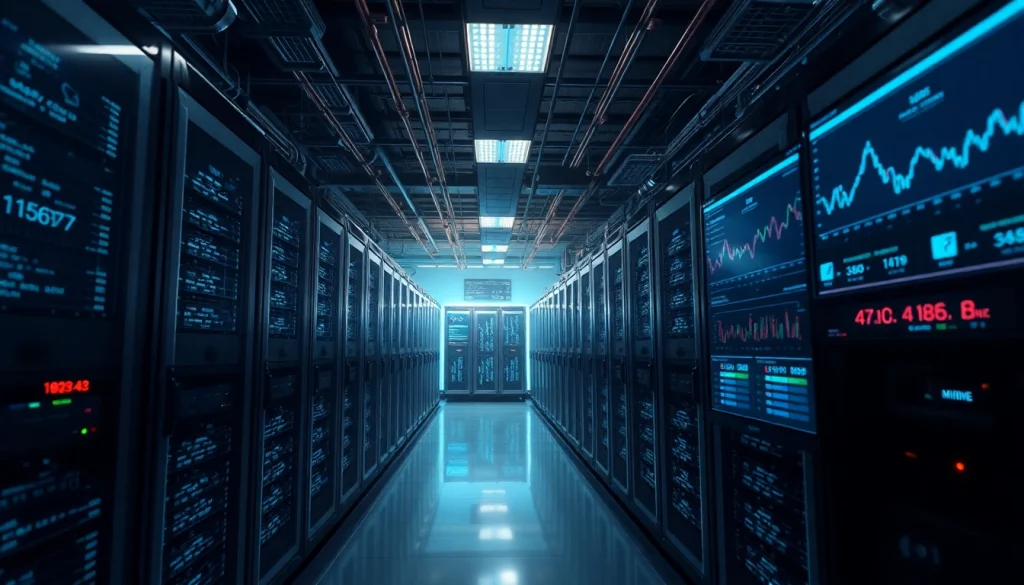
The Fundamentals of Crypto Mining
In the rapidly evolving digital landscape, crypto mining has emerged as a crucial element in sustaining blockchain networks and generating cryptocurrency. With the rise of Bitcoin and other cryptocurrencies, understanding the mechanics behind crypto mining is essential not only for enthusiasts but also for investors looking to navigate this volatile market. This guide aims to demystify the process of crypto mining, delving into its fundamental components, setup considerations for mining operations, and strategies for maximizing profitability while addressing common challenges.
What is Crypto Mining?
Crypto mining is the process that enables the validation of transactions and the creation of new cryptocurrency units. By solving complex mathematical equations, miners contribute their computational power to secure and maintain the blockchain, a decentralized ledger that records all transactions. This process ensures the integrity and security of the network while providing miners with cryptocurrency as a reward. The most well-known cryptocurrency, Bitcoin, operates on this principle, but mining is also essential for various altcoins, each with its unique algorithms and structures.
Key Components of Crypto Mining Hardware
To engage effectively in crypto mining, a robust hardware setup is essential. The primary components include:
- ASIC Miners: Application-Specific Integrated Circuits (ASICs) are tailored machines specifically designed for mining cryptocurrencies, offering superior efficiency compared to traditional CPUs or GPUs.
- GPUs: Graphics Processing Units are versatile and can be used for various cryptocurrencies. While less efficient than ASICs in terms of power consumption, GPUs allow for mining multiple altcoins.
- Motherboards: A compatible motherboard with multiple PCI slots is necessary to host several GPU setups for enhanced mining capacity.
- Cooling Systems: As mining hardware generates significant heat, effective cooling solutions are vital to maintain optimal functioning and prolong the lifespan of the equipment.
- Power Supply Units (PSUs): Reliable PSUs ensure that all components receive sufficient power while operating efficiently and safely.
Understanding Blockchain Technology
At the heart of crypto mining lies blockchain technology, a distributed ledger that records transactions across numerous computers. This decentralized system provides transparency and security, reducing the need for intermediaries. Each block in the chain contains a list of transactions, and once added, it cannot be altered. This integrity is maintained through cryptographic hashes and consensus mechanisms, such as Proof of Work (PoW), where miners compete to solve complex puzzles, thereby validating transactions and adding them to the blockchain.
Setting Up Your Mining Operation
Choosing the Right Mining Hardware
When setting up a mining operation, selecting the appropriate hardware is critical. Factors to consider include the cryptocurrency to be mined, the initial investment budget, and electricity costs. ASIC miners are generally recommended for Bitcoin mining due to their efficiency, while GPUs may be more suitable for altcoins with different hashing algorithms. Researching the latest models and their hash rates can significantly affect profitability.
Software for Managing Mining Operations
Once the hardware is in place, selecting reliable mining software is imperative. This software facilitates communication between the mining hardware and the blockchain network, managing the overall mining process. Popular mining software options include:
- CGMiner: A versatile and open-source mining software that supports ASIC and FPGA mining.
- BFGMiner: Similar to CGMiner but focused on ASIC mining, with additional features for advanced users.
- EasyMiner: A user-friendly graphical user interface that simplifies the mining process for beginners.
Location and Power Considerations
The location of your mining operation can significantly impact its success. Factors such as low electricity prices, a reliable power supply, and adequate ventilation must be considered. Additionally, if mining at home, ensure that cooling solutions are in place to manage the heat generated by the equipment. Some regions offer tax incentives for cryptocurrency miners, making it advantageous to explore options for relocation or cloud mining as an alternative.
Maximizing Profitability in Crypto Mining
Calculating Mining Profitability
Understanding the financial landscape of crypto mining requires careful profitability analysis. Miners must consider several variables, including:
- Electricity costs per kilowatt-hour (kWh).
- The hash rate of the mining hardware.
- The current market price of the cryptocurrency being mined.
- Mining pool fees if participating in a pool.
Mining profitability calculators can help assess potential earnings against expenses, allowing miners to make informed decisions about their operations.
Energy Efficiency and Cost-Saving Tips
Electricity is one of the largest expenses in crypto mining. To maximize profitability, miners should:
- Invest in energy-efficient mining hardware.
- Utilize renewable energy sources, such as solar or wind, where possible.
- Optimize cooling systems to reduce electricity consumption.
- Time mining operations during off-peak hours when electricity rates tend to be lower.
Choosing Between Cloud and Home Mining
Miners must decide whether to set up a home mining operation or engage in cloud mining, which involves renting mining power from remote data centers. Cloud mining offers a more accessible entry point with lower initial costs, but it relies on the trustworthiness of the service provider. Conversely, home mining allows for greater control over the operation, but it comes with higher upfront costs and ongoing maintenance requirements.
Challenges and Solutions in Crypto Mining
Common Misconceptions about Mining
Several misconceptions surround crypto mining that can hinder newcomers:
- Mining is no longer profitable: While some miners may struggle due to high competition and energy costs, strategic investments and optimizations can lead to profitability.
- You need expensive hardware to mine: While high-end ASIC miners offer efficiency, many altcoins can still be mined profitably using GPUs.
- Mining is environmentally destructive: While energy consumption is a concern, advancements in renewable energy and energy-efficient technologies are helping reduce the environmental impact.
Addressing Environmental Concerns
The environmental impact of crypto mining has gained significant attention, especially regarding energy consumption and carbon footprints. Miners can mitigate these concerns by:
- Using renewable energy sources for mining operations.
- Participating in carbon offset programs or investing in green energy projects.
- Advocating for sustainable practices within the mining industry.
Dealing with Fluctuating Cryptocurrency Prices
Cryptocurrency markets are known for their volatility, impacting mining profitability. Miners should have strategies in place, such as:
- Diversifying the cryptocurrencies being mined to balance risks.
- Monitoring market trends and adjusting mining efforts according to profitability shifts.
- Holding onto mined coins during market dips, anticipating future price increases.
The Future of Crypto Mining
Emerging Technologies in Mining
As the crypto landscape evolves, new technologies are emerging that promise to redefine mining operations. Some notable trends include:
- Proof of Stake (PoS): An alternative to the energy-intensive Proof of Work (PoW), PoS allows participants to mine or validate transactions based on the number of coins they hold, thereby reducing energy consumption.
- Advanced Cooling Technologies: Innovations in cooling systems can enhance efficiency, including immersion cooling and advanced airflow management.
- Blockchain Interoperability: Increasingly, interoperability among different blockchain networks will play a role in optimizing mining operations and rewards.
Trends to Watch for in 2025 and Beyond
As we approach 2025, several trends are likely to shape the future of crypto mining:
- The rise of institutional investment in crypto mining, driving demand and innovation.
- Increased regulation, providing clarity and standards for the industry.
- The advent of AI-driven mining solutions that optimize operations and predictive analytics.
The Role of Regulation in Crypto Mining
Regulation is becoming increasingly important in the realm of crypto mining. Governments around the world are starting to enact legislation that addresses the legal and environmental implications of mining operations. Miners must stay informed about local regulations that could impact their operations, including licensing requirements, environmental standards, and tax obligations. Compliance with these regulations not only helps to avoid legal repercussions but can also enhance the legitimacy and sustainability of mining practices.