
Top Tips for Fly Fishing for Bass Successfully
Fly fishing for bass is an exciting and rewarding experience that combines skill, patience, and knowledge of bass behavior. Whether you are a beginner or an experienced angler, mastering the art of fly fishing for bass can lead to unforgettable moments on the water. In this guide, we’ll cover essential tips and strategies to help you catch more bass and make your fly fishing trips more successful.
Understanding Bass Behavior
To excel at fly fishing for bass, it’s crucial to understand their behavior. Bass are opportunistic predators that thrive in warm, shallow waters with plenty of cover. They often hide near structures like rocks, logs, and aquatic vegetation, waiting for prey to come close. Observing these patterns allows you to target specific areas where bass are most likely to strike, increasing your chances of a successful catch.
Choosing the Right Equipment
Selecting the right equipment is key when fly fishing for bass. A medium-action fly rod, typically 8 to 9 feet in length, paired with a weight-forward floating line, works well for bass. Your choice of flies should mimic the natural prey of bass, including topwater poppers, streamers, and crayfish imitations. Don’t forget a sturdy reel with a smooth drag system, as bass are known for their powerful runs.
Best Fly Fishing Techniques for Bass
Several techniques can improve your success when fly fishing for bass. One effective method is the strip-and-pause technique, where you strip the line in short bursts to mimic a fleeing baitfish, then pause to allow the fly to sink. Another strategy is sight fishing, which involves spotting bass near the surface or around cover and casting your fly directly to them. Both techniques require patience and precision but can be highly rewarding.
Time and Location Matter
Timing and location play a significant role in fly fishing for bass. Early morning and late evening are prime times because bass are more active and feeding near the surface. Look for areas with shallow waters and structures where bass can ambush prey. Seasonal changes also affect bass behavior—spring and fall are often the most productive times for fly fishing for bass because they are feeding heavily to prepare for spawning or winter.
Selecting the Right Fly Patterns
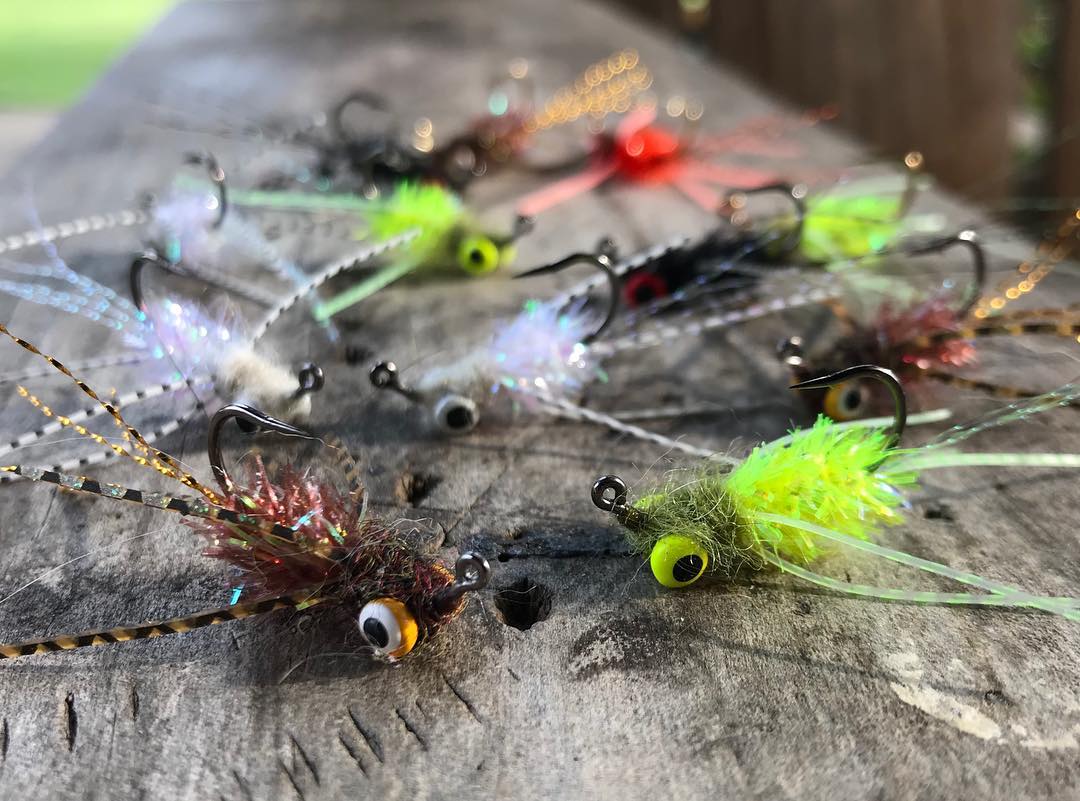
The choice of fly can make or break your bass fishing trip. Topwater flies, such as poppers and foam bugs, create excitement as bass explode on the surface. Streamers that imitate small baitfish or leeches can entice larger bass lurking in deeper water. Additionally, crayfish patterns are effective in waters where bass feed heavily on crustaceans. Experimenting with different fly patterns while fly fishing for bass helps you identify what works best in your specific fishing spot.
Presentation and Accuracy
Proper presentation is essential in fly fishing for bass. Bass are often wary of unnatural movements, so a delicate and accurate cast can make the difference between a strike and a miss. Practice casting near structures and adjusting the speed of your retrieve to imitate the natural movement of prey. Changing your presentation slightly can trigger strikes from even the most cautious bass.
Reading the Water
Understanding how to read the water is an invaluable skill for fly fishing for bass. Look for ripples, shadows, or movement in the water that indicate the presence of bass. Submerged logs, weed beds, and drop-offs are hotspots where bass like to hide. By reading the water correctly, you can anticipate bass locations and cast more effectively, leading to higher success rates.
Fly Fishing for Bass in Different Conditions
Bass behavior changes depending on weather, water temperature, and light conditions. On bright, sunny days, bass may seek shaded areas or deeper water, while overcast days often result in more active surface feeding. Wind can also affect casting and water movement, which may influence bass strikes. Understanding these conditions and adapting your techniques is vital for consistent success when fly fishing for bass.
Common Mistakes to Avoid
Even experienced anglers can make mistakes that reduce their success when fly fishing for bass. Common errors include using the wrong fly size, overcasting, or neglecting to observe bass behavior. Rushing the retrieve or failing to change locations can also limit your chances. Avoiding these mistakes ensures a more productive and enjoyable fishing experience.
Practice and Patience
Fly fishing for bass requires practice and patience. Mastering casting techniques, learning how to read water, and selecting the right flies take time. By consistently practicing and observing bass behavior, you’ll improve your skills and enjoy more frequent and satisfying catches. Remember, persistence and careful observation are often the keys to success.
Fly fishing for bass is a thrilling and rewarding endeavor that combines skill, strategy, and a deep understanding of bass behavior. By choosing the right equipment, learning effective techniques, reading the water, and selecting the appropriate flies, you can significantly increase your chances of landing bass. Remember to consider timing, location, and environmental conditions, while practicing patience and avoiding common mistakes. With dedication and the right approach, every trip can bring new challenges and unforgettable moments in the world of fly fishing for bass.