Essential Guide to Becoming a Successful Traveling Hairstylist
The Rise of the Traveling Hairstylist
As the world evolves, so do the needs and preferences of clients when it comes to hairstyling. The traditional salon model, while still prominent, is being complemented—if not challenged—by a more personalized and convenient option: the Traveling hairstylist. This unique niche allows hairstylists to take their skills directly to clients in their homes, offices, or special event locations. Let’s explore what defines a traveling hairstylist, the market demand for such services, and the myriad benefits it offers to both professionals and clients alike.
Defining the Traveling Hairstylist
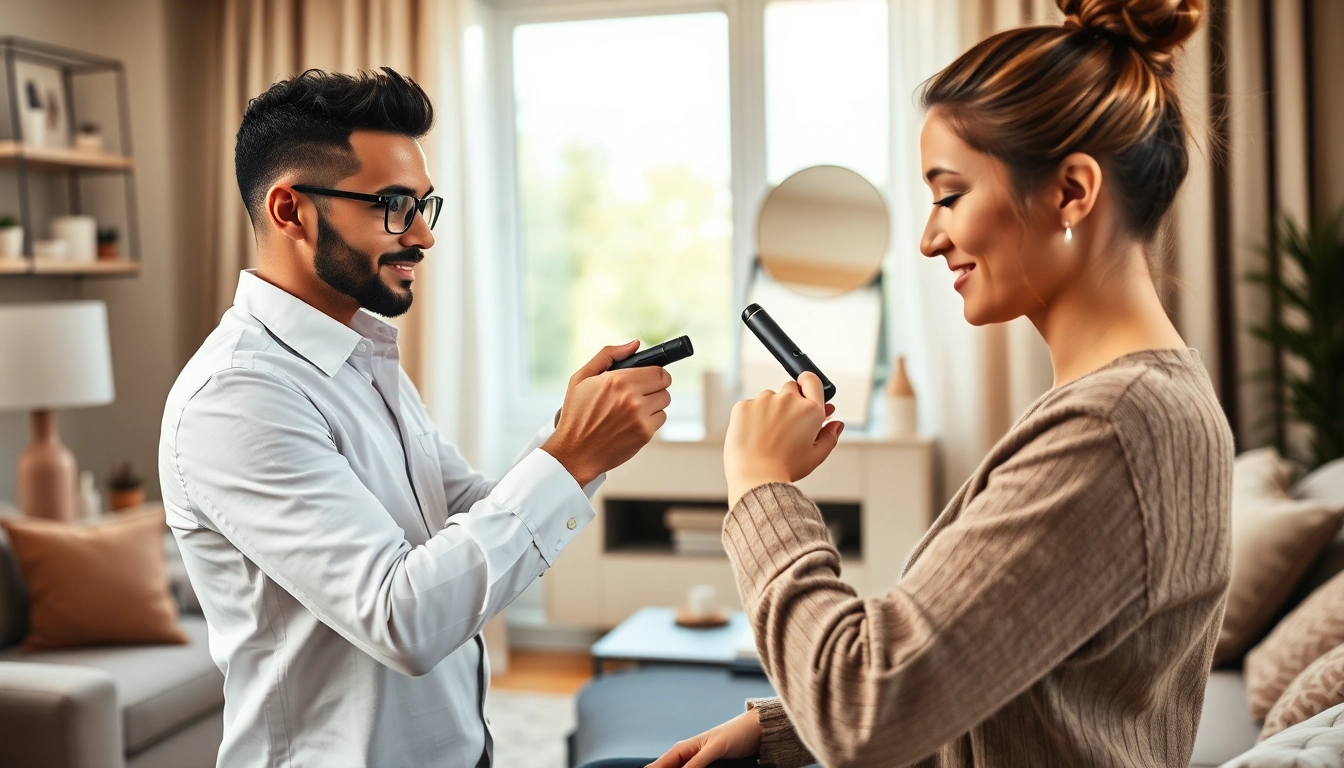
A traveling hairstylist, also known as a mobile hairdresser, brings the salon experience directly to their clients. They are equipped with all necessary tools and products, transforming any space into a mini salon. This flexibility not only provides convenience for the client but allows stylists to showcase their skills in various locations. The nature of this profession demands adaptability, creativity, and exceptional customer service, as hairstylists cater to different environments and clientele.
Market Trends and Demand
The demand for traveling hairstylists has been steadily on the rise due to several factors. First, the busy lifestyles of modern clients often leave little time for salon appointments. Mobile hairstylists fill this gap by providing services at times that suit the client’s schedule. Second, as the gig economy grows, more beauty professionals are choosing freelance careers over traditional salon positions. This shift offers stylists the freedom to work on their terms while catering to the broader market.
The Benefits of Being a Traveling Hairstylist
Choosing to work as a traveling hairstylist presents numerous advantages. For one, it offers increased flexibility in scheduling, allowing stylists to manage their time more effectively. Furthermore, it can lead to higher earnings as they can often charge a premium for convenience. This profession also facilitates personal connections with clients, fostering loyalty and repeat business. Each appointment can turn into a unique experience, driven by a stylists’ personalized approach.
Starting Your Journey as a Traveling Hairstylist
Necessary Skills and Qualifications
While anyone can claim the title of a hairstylist, excelling as a traveling professional requires specific skills and qualifications. First and foremost, obtaining a state license to practice cosmetology is essential. Beyond that, several soft skills should be developed, including excellent communication, customer service, and time management. The ability to quickly adapt to various environments and client needs is also crucial for success in this field. Advanced training in specialized services such as bridal hairstyles or color treatments can set you apart from the competition.
Creating a Mobile Hairstyling Kit
One of the most important elements for any traveling hairstylist is a well-organized mobile hairstyling kit. This kit should contain all the essential tools: scissors, combs, brushes, and styling products suited for various hair types. Additionally, portable equipment like a travel-friendly hairdryer, straightener, and curling iron are crucial. It’s wise to have a variety of hair products, from shampoos and conditioners to styling gels, catering to the diverse needs of clients. Organizing these items effectively ensures efficiency and professionalism during each appointment.
Legal Considerations and Licenses
Legalities are an integral part of being a traveling hairstylist. As mentioned, a cosmetology license is necessary to practice legally. However, there may be additional permits or insurance requirements based on local regulations, especially when offering services within commercial spaces or at events. Each state has specific guidelines to follow; thus, researching and complying with these regulations is essential to avoid potential legal issues. Maintaining liability insurance is also encouraged to protect yourself and your business.
Marketing Yourself as a Traveling Hairstylist
Building a Professional Website
Creating a professional website is essential for marketing in today’s digital landscape. This platform should highlight your services, showcase portfolio images, include client testimonials, and provide essential contact information. Including a booking system can streamline appointments and provide a user-friendly experience for clients. Optimizing your website for search engines—ensuring that it ranks well for relevant terms like “traveling hairstylist”—can significantly increase visibility and attract new clients.
Leveraging Social Media
Social media serves as a powerful tool for traveling hairstylists to connect with potential clients. Platforms like Instagram and Facebook allow stylists to showcase their work through images and videos. Engaging with followers by sharing client transformations, hairstyling tips, and behind-the-scenes content can build a solid online presence. Creating sponsored posts or partnering with influencers can also expand reach, targeting specific demographics that may benefit from your services.
Networking Strategies for Success
Networking plays a critical role in the growth of your traveling hairstylist business. Attending hair and beauty conventions, trade shows, and local events can help establish connections with other professionals in the industry. Collaborating with photographers, makeup artists, or event planners can lead to cross-referrals, enhancing your client base. Joining local business groups and online forums dedicated to hairstylists can provide additional support and opportunities for collaboration.
Best Practices for Operating Successfully
Client Communication and Expectations
Effective communication is vital for ensuring client satisfaction. Before appointments, it’s essential to clarify services, pricing, and any special requests. Setting realistic expectations helps avoid misunderstandings and guarantees a smoother process. Following up after appointments to gather feedback can also demonstrate professionalism and a commitment to client care, helping foster long-term relationships.
Managing Time and Scheduling
As a traveling hairstylist, managing your schedule effectively is crucial to maximize bookings and minimize downtime. Utilizing scheduling software can streamline appointment management and reduce the risk of double bookings or missed appointments. Establishing specific working days and hours can also promote a healthy work-life balance while allowing clients to expect availability. Furthermore, implementing buffer times between appointments allows for travel and setup without impacting client experiences.
Building Long-Term Relationships with Clients
Building long-term relationships can lead to a loyal clientele. Creating personalized experiences, remembering client preferences, and following up with tailored promotions can enhance customer loyalty. Offering loyalty programs or referral discounts also encourages clients to return and spread the word about your services. Investing time in relationship-building creates an atmosphere of trust, prompting clients to feel comfortable recommending you to friends and family.
Challenges Faced by Traveling Hairstylists
Handling Difficult Situations
Traveling hairstylists might face various challenges, including difficult clients or unexpected setbacks. Handling these situations professionally is essential. Maintaining calm, showing empathy, and finding resolutions quickly can help defuse tension. It’s wise to have clear policies in place regarding cancellations, no-shows, or dissatisfaction, which can help prevent issues and build trust with clients.
Balancing Work-Life Commitments
Being a traveling hairstylist can blur the lines between work and personal life, making it essential to establish boundaries. Setting specific working hours and sticking to them can prevent burnout and ensure time for self-care. Additionally, scheduling regular days off can provide essential downtime, allowing for rejuvenation and a fresh perspective on the workload.
Addressing Client Safety and Comfort
Client safety and comfort should always be a priority. Ensuring a clean, organized workspace, whether at home or an event venue, reflects professionalism and dedication to client care. Also, being clear about safety protocols, such as hygiene measures and the use of products, can help clients feel secure in their decision to hire a traveling hairstylist.
FAQs About Traveling Hairstylists
Can you be a traveling hairstylist?
Yes, you can absolutely be a traveling hairstylist. Mobile hair stylists offer services at clients’ locations, bringing the salon experience to them. This growing trend has become more popular for its convenience.
Is a traveling hairstylist a good career choice?
Absolutely! It offers flexibility, allows for personalized service, and can be financially rewarding. Many clients appreciate the convenience of stylist services at their homes or events.
What equipment do traveling hairstylists need?
They need a mobile hairstyling kit, including scissors, combs, brushes, styling products, and portable tools like hairdryers. Organization is critical for efficiency and professionalism.
How do traveling hairstylists set their prices?
Pricing can vary based on factors like expertise, service type, travel distance, and local market rates. Researching competitors can help in setting competitive pricing while reflecting the value of services.
What are the main challenges of being a traveling hairstylist?
Main challenges include managing time and scheduling, addressing diverse client needs, ensuring safety, and handling difficult situations professionally. Balancing work-life commitments is also essential.